
ChatGPT Shopping has changed the way consumers find and buy products online. Recent data shows that 22% of shoppers use AI to find products and get inspiration at least occasionally. Gen Z shoppers are 10 times more likely than baby boomers to use AI frequently when looking for new products. This change in consumer behavior stands out as ChatGPT users perform over a billion web searches every week.
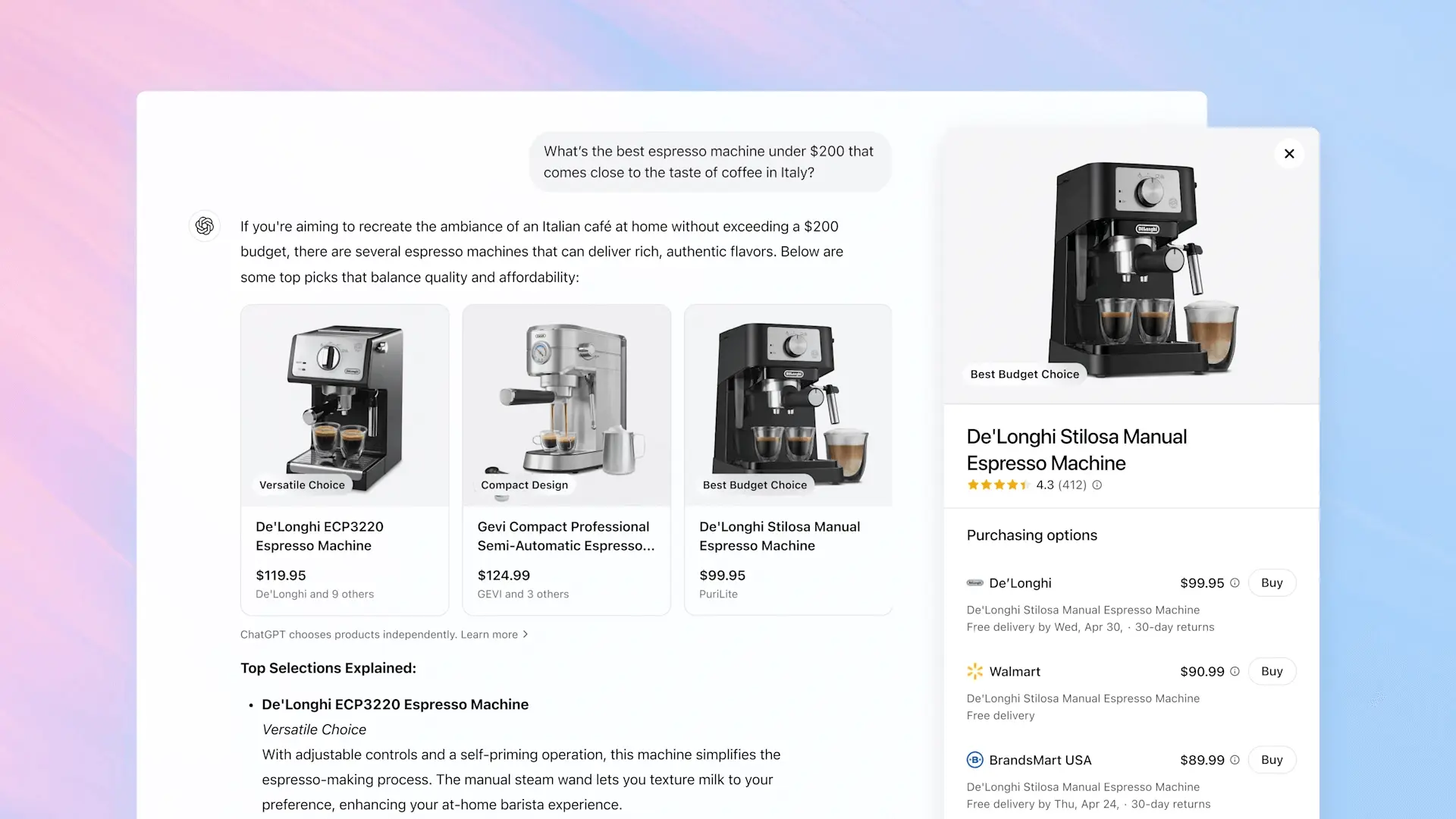
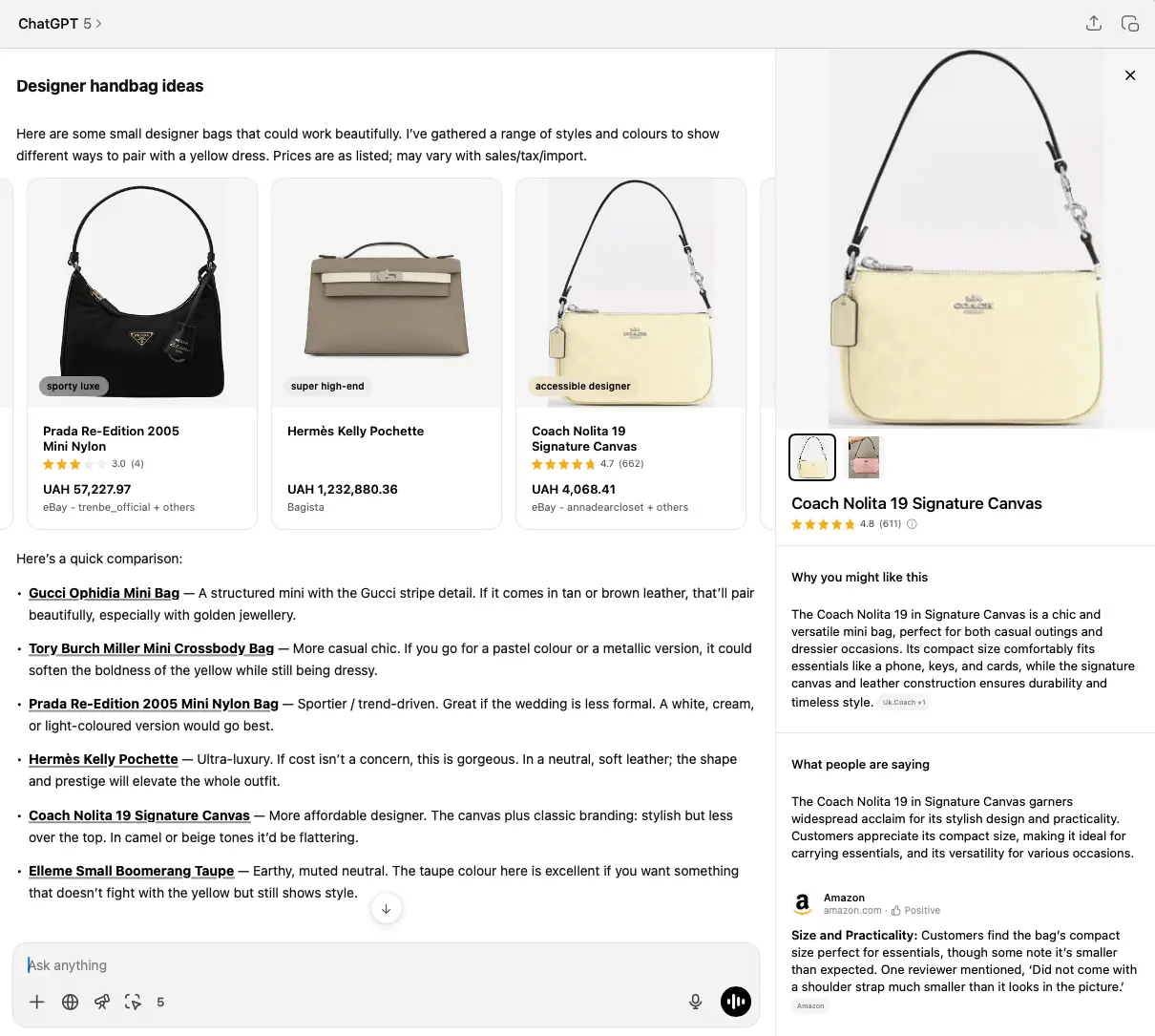
The traditional online shopping experience has transformed into a conversational one with ChatGPT's ecommerce features. Users receive relevant product recommendations right in their chat window when ChatGPT spots shopping-related questions. ChatGPT's AI Shopping system shows detailed product cards that include images, prices, customer reviews, and technical details. The system even points out popular items and best value choices.
The sort of thing I love about ChatGPT Shopping is how it helps online retailers become more visible and boost their sales. My goal is to help you understand openai shop features and see how product recommendations come from user priorities and web reviews. You'll learn applicable strategies to make your store more visible in this new conversational commerce system. Online businesses must become skilled at using ChatGPT Shopping visibility as ecommerce continues to grow and develop.
What is ChatGPT Shopping and Why It Matters
ChatGPT Shopping launched in April 2025 and brought a radical alteration to how we find and buy products online. Users can now find, compare, and buy products through a user-friendly chat interface instead of typing keywords.
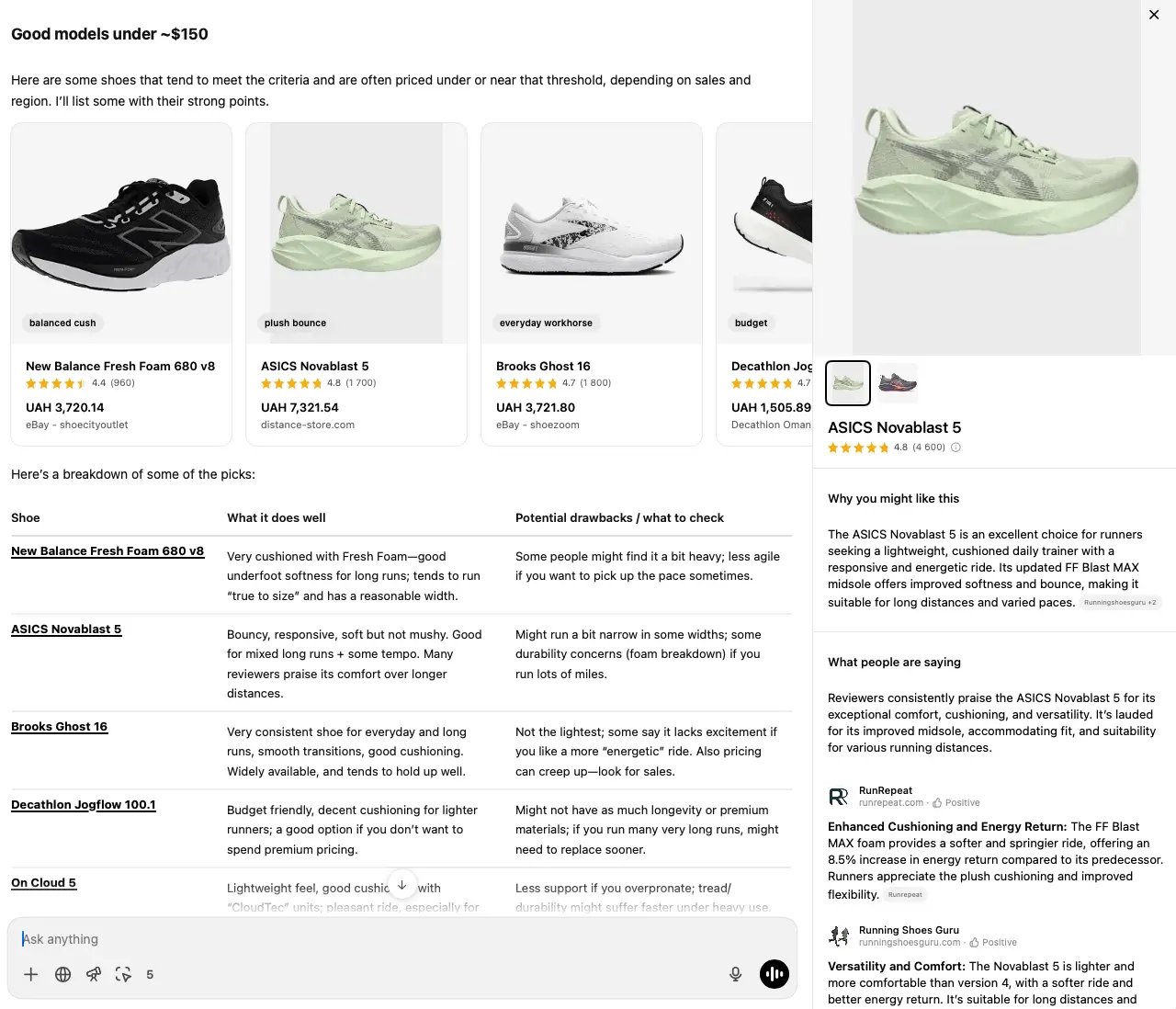
ChatGPT Shopping goes beyond being just another search tool. It's a fresh take on openai shoping that turns the buying process into one simple conversation. Users don't need to type basic searches like "best running shoes 2025" anymore. They can ask exactly what they need: "What are the most comfortable running shoes for long distances under $150 for women?" The system shows personalized options right away with images, summaries, and buy-now links.

Right now, chatgpt ecommerce makes up just 2.2% of all ChatGPT searches. But these numbers will grow faster as people change how they use it. We've seen this happening already - non-work queries on ChatGPT jumped from 47% to 73% between June 2024 and June 2025. This shows people are using it more for personal tasks like shopping.
openai shop stands out because it works differently from regular shopping websites:
- It suggests products based on what you actually want and data quality
- You won't see any paid ads or sponsored items—all suggestions are natural
- Each product comes with AI-written descriptions and review highlights
- You'll get links to buy directly from sellers
ChatGPT Shop's product selection process is different from regular search engines. It uses an all-encompassing approach that looks at:
- Data from third-party providers
- User reviews from everywhere online
- Your past chats if memory is on
- OpenAI's safety standards
AI Shopping gets what users really want, not just their exact words. This smart approach leads to customized suggestions that match real needs instead of just showing popular items.
ChatGPT Shopping visibility makes life easier for shoppers. Instead of opening multiple tabs and spending hours reading reviews, everything is in one place. You'll see product carousels with prices, titles, and helpful tags like "Best budget choice" or "Compact design" based on what other buyers say.
The rise of chatgpt ecommerce shows how shopping priorities are changing. Studies show that 22% of people already use AI to find products sometimes, and younger people are picking up this technology substantially faster.
ChatGPT Shopping isn't just another way to shop—it's changing the entire buying process. Google Search still handles 373 times more searches, but ChatGPT turns the whole product research journey into one smooth conversation.
Retailers need to pay attention. As openai shoping grows, showing up in these AI suggestions could become as vital as ranking high on Google. Companies that adapt their product data and build resilient infrastructure for these systems might get ahead in ChatGPT Shopping visibility as this technology keeps altering the map of online shopping.
How ChatGPT Shopping Works
ChatGPT Shopping works through AI algorithms and structured data behind the scenes. Unlike regular search engines that look at keywords, chatgpt ecommerce looks at what users really want and gives them product suggestions that match their needs.
Product cards and visual recommendations (AI Shopping)
ChatGPT Shopping shows product options in attractive carousels when users ask questions like "I need comfortable running shoes under $200." These product cards show key details like titles and prices, and sometimes labels like "Budget-friendly" or "Most popular" based on the data.
The openai shop interface shows star ratings and total review counts from other providers. AI Shopping makes product information easier to understand by creating simple titles and descriptions from merchant data. ChatGPT Shop also creates summaries of product reviews by looking at what customers generally like or dislike about each item.
AI-driven personalization and memory
ChatGPT Shopping visibility stands out because it knows how to make recommendations just for you. The system looks at:
- What you're asking for right now
- Your past conversations if memory is turned on
- Basic things like price, ratings, and how easy items are to use
As chatgpt ecommerce gets better with memory updates, it gets much better at personalizing results. This means openai shoping remembers what you like and suggests products that make more sense to you over time.
No paid placements: organic product visibility
ChatGPT Shopping stays honest by showing products based on merit. Unlike other search engines or marketplaces, openai shoping won't take money to put certain products first. This means ChatGPT's shopping experience visibility depends on how well products match what users want and the quality of product information.
This brings a fundamental change to chatgpt ecommerce and might change how companies market products online. Instead of spending big on ads, ChatGPT Shop focuses on real relevance. Small merchants with good products can now compete with big retailers.
Integration with merchant websites
openai shop works smoothly with existing online stores. Users who find products through ChatGPT Shopping get links that take them straight to merchant websites to buy. Users might see several merchants selling the same item, listed based on information from other providers.
ChatGPT Shopping adds "utm_source=chatgpt.com" to all outgoing links. Merchants can track and see how well their products sell through AI Shopping.
ChatGPT Shopping has clear limits - it suggests products but doesn't handle sales itself. It helps you find what you want and sends you to merchant websites to buy. This setup lets merchants keep their customer relationships while using chatgpt ecommerce technology to help people find products more easily.
The Impact on eCommerce and Consumer Behavior
ChatGPT Shopping has changed consumer purchasing patterns. AI tools now help 60% of consumers make shopping decisions, which shows a massive change in online product discovery and buying habits. Yes, it is clear that chatgpt ecommerce capabilities do more than just supplement traditional shopping methods—they replace them faster.
Changing product discovery habits
Openai shoping tools have transformed how consumers research products. To name just one example:
- ChatGPT Shopping has replaced traditional search engines for two-thirds of millennials and Gen Z
- AI tools like ChatGPT Shop help 41% of shoppers (and over 50% of Gen Z) research products
- AI influences 53% of U.S. purchase decisions
People now prefer more natural interactions through conversational product discovery. Consumers describe their needs instead of creating perfect search queries. This represents a fundamental change in online shopping approaches. ChatGPT Shopping visibility has become so popular that OpenAI reported over a billion web searches in just one week.
Shorter purchase journeys
AI Shopping speeds up decision-making and collapses the traditional marketing funnel. AI helps 77% of consumers make buying decisions faster. A single conversation now replaces what used to be a multi-step process.
Openai shop reduces the mental work of comparison shopping. Chatgpt ecommerce platforms blend information instantly and show only relevant options based on user priorities. The old method required visits to multiple sites, reading many reviews, and manual feature comparisons.
Brands must now adapt their strategy. The shorter purchase experience means they need to influence buyers "earlier, faster, and more intuitively".
Trust in AI vs traditional ads
Consumer trust in ChatGPT Shopping recommendations grows at an impressive rate. AI search results earn more trust than paid search results from 41% of consumers. Only 15% trust AI less than search ads.
This trust extends to personal choices. AI recommendations carry more weight than a friend's advice for almost half of consumers choosing clothes. Among current generative AI users, 68% trust AI-provided information, and 14% trust it "completely".
Several factors explain the high confidence in ChatGPT Shopping visibility:
- Consumers see AI as more objective than human recommendations
- Chatgpt ecommerce appears more authentic without paid placements
- AI gives "honest" advice without emotional bias
In spite of that, context matters for trust levels. Research shows practical purchases get more AI trust, while emotional or hedonic products still need human input. Transparency plays a vital role—64% of consumers liked ads that disclosed AI use. This shows that being open about technology use builds trust rather than reduces it.
How to Improve ChatGPT Shopping Visibility
Your products need strategic optimization to gain top visibility in Conversational AI shopping. These proven tactics will help your products appear in chatgpt ecommerce searches.
Use structured data and schema markup
AI-powered shopping visibility depends on structured data. Your product pages need JSON-LD markup that clearly communicates essential details to ChatGPT Shop systems. The schema should contain:
- Complete product details (name, description, SKU, image)
- Live pricing and availability information
- Brand and manufacturer information
- Shipping and return policies
- Total ratings and individual reviews
This well-laid-out approach helps AI Shopping understand and recommend products when users want to buy.
Optimize product detail pages (PDPs)
Your PDPs must be clear, complete, and focused on benefits to succeed in openai shoping. Write concise, brand-focused titles that highlight key features. Specific descriptors like "Waterproof Breathable Hiking Pants" work better than generic names like "Techwear Pants V3" for The ChatGPT shopping feature recognition. The product descriptions should answer common questions in a conversational way.
Ensure crawlability and indexability
Your site needs to be crawlable or it won't appear in chatgpt ecommerce systems. The robots.txt file should allow access:
User-agent: OAI-SearchBot Allow: /
This setup gives ChatGPT commerce visibility by letting the OpenAI crawler access your product content. A clean sitemap helps too, so check crawl issues regularly.
Encourage and manage product reviews
Reviews shape openai shop recommendations substantially. AI shopping in ChatGPT looks at review sentiments across the web before making recommendations. Ask customers to leave feedback on your site and third-party platforms like Google, Trustpilot, and community forums. The reviews need proper schema markup to boost chatgpt ecommerce visibility.
Arrange content for conversational queries
OpenAI shoping understands natural language. The content should match how people ask questions naturally with long-tail phrases. FAQ sections should address common concerns directly using everyday language instead of technical terms.
Shopify development agency Mgroup helps you be proactive with ChatGPT Shopping trends. AI changes how customers find and buy products. Our team helps brands use ChatGPT's shopping experience, AI commerce, and marketing breakthroughs to accelerate growth.
The Rise of GEO (Generative Engine Optimization)
Generative Engine Optimization (GEO) is a vital strategy that goes beyond traditional SEO practices to maximize Conversational AI shopping visibility. Consumer discovery habits have changed because AI-powered platforms altered the map. Online retailers must learn about GEO to succeed in this new ecosystem.
What is GEO and how it compares to SEO
GEO helps optimize content for AI-driven platforms that combine answers instead of listing links. Traditional search engines need keywords and backlinks for SEO. However, ChatGPT Shop requires content that's well-laid-out with clear facts and proper citations.
The main difference shows in how they deliver results. SEO shows website links, while GEO will give your products a direct spot in AI-generated responses. Both share the same foundations of user intent, quality content, and clear organization. GEO's success comes from how often AI outputs cite the content rather than traffic numbers.
Signals ChatGPT uses to recommend products
OpenAI shopping systems review products using these key signals:
- Semantic relevance (matching intent beyond keywords)
- Product quality indicators (ratings, reviews, completeness)
- Commercial viability (stock availability, price freshness)
- Structured product markup
- Information architecture
chatgpt ecommerce systems care more about clarity and relevance than traditional ranking factors. Your content needs OAI-SearchBot access for AI Shopping visibility.
Tools and agencies supporting GEO strategies
New tools and agencies have popped up in the GEO world. Platforms like Profound, Goodie, and Daydream help brands track their appearances in openai shop responses and monitor sentiment across model outputs. Even 5-year-old SEO platforms like Ahrefs' Brand Radar now track brand mentions in chatgpt ecommerce contexts.
GEO specialists have achieved impressive results. Some report a 750% boost in visibility across AI Shopping platforms in just six months. These experts use structured data optimization and strategic citations to improve AI-powered shopping visibility by up to 40%.
The ChatGPT shopping feature grows more popular each day. GEO strategies will become essential soon. Companies that adapt quickly will have big advantages in this digital world where search and conversation blend together.
If you want this done for your store rather than read about it, our agentic commerce services for Shopify cover product data, structured feeds and checkout readiness for AI shopping agents, and our AI ecommerce development agency team builds AI search, recommendations and assistants into Shopify stores.
Conclusion
ChatGPT commerce has changed how people find and buy products online. This piece explores how AI technology turns traditional purchase funnels into natural conversations with customers. Businesses must now adapt their strategies to stay visible as the retail landscape evolves.
The way ChatGPT Shop works shows its game-changing approach. It recommends products based on what users want, not paid advertisements. Merchants who fine-tune their product data will gain an edge as AI Shopping continues to alter consumer behavior.
The effect on eCommerce goes well beyond making shopping easier. AI shopping in ChatGPT now guides purchase decisions for most shoppers. Young consumers trust AI recommendations more than traditional ads. This development makes the buying experience shorter and builds exceptional levels of trust.
Success with OpenAI shopping needs specific strategies. Better positioning in ChatGPT ecommerce results comes from well-structured data, natural product descriptions, proper site crawling, and smart review management. Generative Engine Optimization (GEO) gives businesses a framework to thrive in this new ecosystem.
Brands that accept new ideas early will own the future of online retail. ChatGPT's shopping experience merges more deeply with consumer habits each day. Today's preparation will give visibility tomorrow. OpenAI shop processes billions of searches weekly, showing its growing role in digital commerce.
Conversational AI shopping isn't just another sales channel. It revolutionizes how people discover, compare, and buy products. Brands that understand this change and adapt will thrive as AI creates individual-specific shopping experiences.
FAQ: ChatGPT Shopping
What is ChatGPT Shopping?
AI-powered shopping is an AI-powered approach to eCommerce that uses conversational AI to personalize customer experiences, improve shopping journeys, and boost sales.
How does ChatGPT ecommerce benefit online stores?
With chatgpt ecommerce, brands can automate product recommendations, provide real-time support, and increase The ChatGPT shopping feature visibility, helping them reach more customers.
What is ChatGPT Shopping visibility and why is it important?
ChatGPT commerce visibility means how easily your products appear in AI-powered shopping recommendations. Optimizing your store ensures higher exposure, better ranking, and improved AI Shopping results.
How is ChatGPT Shop different from traditional online shops?
Unlike traditional eCommerce, ChatGPT Shop combines conversational AI with personalized product discovery, making shopping more intuitive and engaging for customers.
Can OpenAI Shop be integrated with Shopify or WooCommerce?
Yes, both openai shop and openai shoping solutions can be integrated with platforms like Shopify and WooCommerce to enhance personalization, streamline checkout, and improve conversions.
What is the future of AI Shopping with ChatGPT?
The future of AI Shopping lies in seamless integration with AI shopping in ChatGPT, chatgpt ecommerce, and openai shoping tools that create personalized, efficient, and secure customer journeys.